
Amul’s marketing strategy has turned a simple dairy brand into a household name. From rural farmers to urban homes, it’s trusted by millions.
Let’s dive into Amul’s marketing strategy, and smart moves shaped its brand story.
Foundation of Amul
In the Amul case study, Back in 1946, farmers in Gujarat were tired of unfair milk prices. That’s when Amul was born, giving local dairy farmers control of their own production and profits.
Instead of relying on middlemen, they formed a cooperative society, a model that empowered thousands of rural families. This shift changed India’s dairy industry forever.
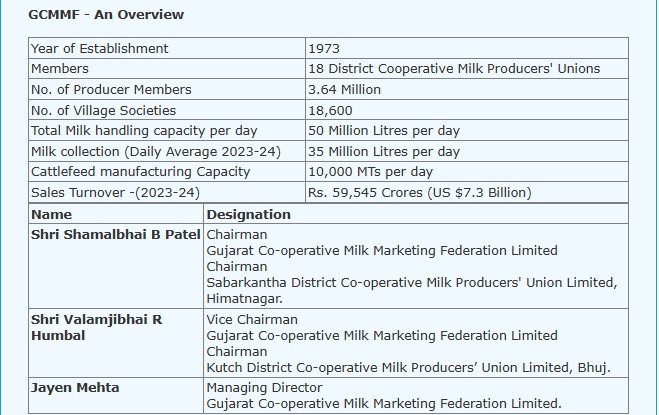
Amul isn’t just a dairy company. It’s a movement that supports over 3.6 million farmers and processes around 26 million liters of milk daily.
That’s not just impressive, it’s revolutionary.
Business Model of Amul
In the Amul case study, Amul’s three-tier model is the heart of its business strategy. Here’s how it works.
At the village level, milk producers are members of local cooperative societies. These societies connect to district unions that process the milk. Finally, the state federation (like Gujarat Cooperative Milk Marketing Federation (GCMMF)) markets the products under the Amul brand.
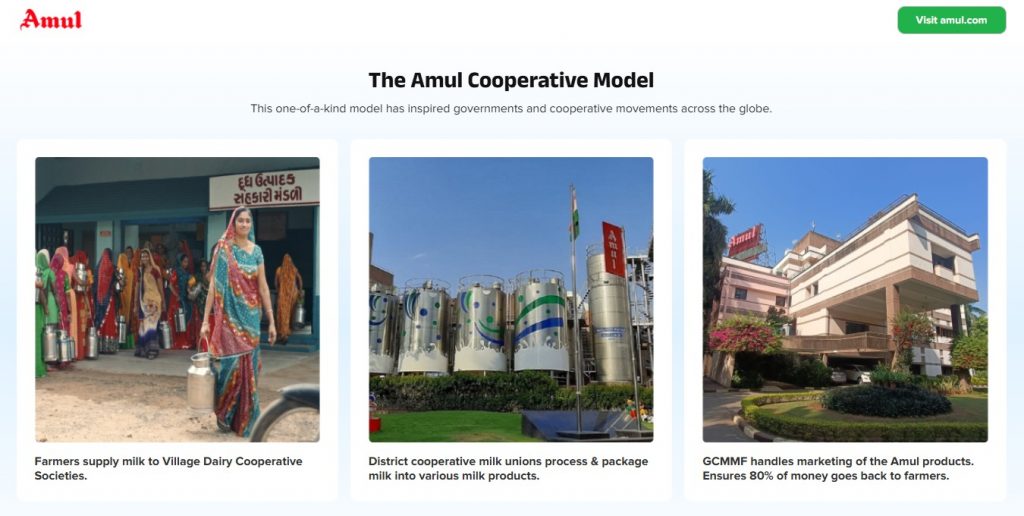
This system ensures farmers earn fair wages while the brand maintains quality control. It’s why Amul’s marketing strategy remains stable even in volatile markets.
Plus, the model is scalable. It’s the reason Amul could grow from a local name to a global dairy powerhouse.
Branding Strategy of Amul
Amul didn’t just sell dairy, it sold a feeling of home and trust. Its branding made every Indian feel a personal connection to “The Taste of India.â€
Amul Tagline and Brand Identity
Ever heard the phrase “The Taste of India�
That’s Amul’s powerful tagline, and it does more than just sell butter.
It connects the brand with Indian culture, memories, and everyday moments. Whether it’s toast for breakfast or tea with milk, Amul is everywhere, like family.
This emotional branding is a core part of the Amul marketing strategy, making the brand more than just a dairy label. It becomes a symbol of trust, purity, and homegrown pride.
Amul Girl: A Case of Iconic Advertising Strategy
Remember the little girl in a polka-dot dress?
That’s the Amul Girl—India’s sassiest mascot since 1966.
She’s cheeky, clever, and always topical, poking fun at politics, Bollywood, and cricket scores. These iconic ads are a hallmark of the Amul marketing strategy, making us smile, think, and talk while keeping the brand culturally relevant.
And the best part?
They’re low-cost yet high-impact. Just a cartoon, a pun, and perfect timing. That’s genius marketing.
This strategy proves you don’t need a huge budget to stay relevant, just creativity and consistency. Amul’s marketing strategy relies on timely humor, cultural relevance, and simple visuals to keep the brand deeply connected with its audience.

Unified Branding Under One Name
Unlike brands that use sub-labels for each product, Amul keeps it simple. From cheese to ice cream, everything carries the Amul name.
This single-brand identity builds massive trust. People don’t second-guess Amul products; they just grab them.
It also saves money on separate campaigns, making it a smart, cost-effective approach. The Amul marketing strategy focuses on consistency, trust, and emotional connection, delivering long-term brand loyalty.
So, when you hear “Amul”, you think of dairy, quality, and home – all in one.
Multichannel Marketing Efforts
Amul uses TV, print, social media, and even local campaigns to spread the word.
Their iconic Amul Doodh Peeta Hai India jingle still resonates with many.
By tapping into both emotion and nostalgia, the Amul marketing strategy ensures the brand stays alive and relevant, from village walls to Instagram reels.
Product Strategy of Amul
Amul’s product range isn’t just vast, it’s part of daily life in every Indian home. From milk to ice cream, it delivers comfort, trust, and consistency in every bite.
Amul Product Range
Amul started with butter. But now?
It’s got over 50+ dairy products in the market.
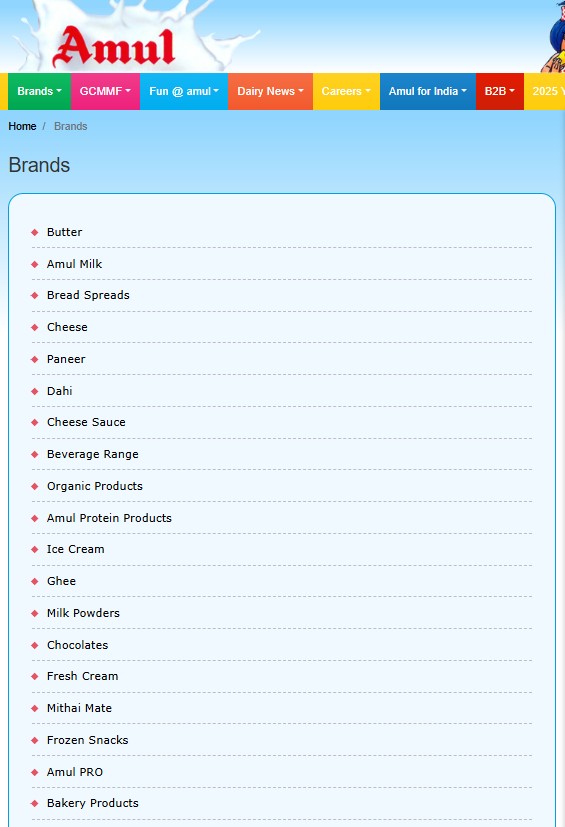
From milk, cheese, and paneer to ice cream, chocolates, and even ready-to-drink beverages, Amul has it all.
This wide product range is a key element of the Amul marketing strategy, ensuring the brand is part of every meal in Indian households, regardless of age or preference.
That’s how Amul became a household name, not just a dairy brand.
Affordable Pricing for the Masses
You don’t need deep pockets to buy Amul. That’s the beauty of its pricing strategy.
By keeping prices reasonable, Amul reaches more homes, urban, rural, or anything in between.
Even premium products remain accessible, winning over budget-conscious families.
This smart price-quality balance is a key part of the Amul marketing strategy, helping the brand maintain its dominance on retail shelves across India.
Innovation in Product Development
Amul doesn’t just follow trends—it creates them.
When plant-based diets gained popularity, Amul responded with camel milk and haldi doodh (turmeric milk).
During summer, Amul coolers hit the market.
It listens closely to consumer needs and reacts fast, like a startup with the power of a giant.
This innovation-driven approach is a core part of Amul’s marketing strategy, helping the brand stay relevant and competitive in a constantly evolving market.
Place Strategy of Amul
Amul’s place strategy is built on unmatched accessibility and reach. From bustling cities to remote villages, Amul ensures its products are always close by.
A Wide Distribution Network Across India
From big cities to tiny villages, Amul is literally everywhere.
It uses a hub-and-spoke model, ensuring products move efficiently from regional hubs to local markets.
With 10,000+ distributors and over 1 million retailers, this distribution strength is a core part of the Amul marketing strategy, giving the brand unmatched reach in the dairy industry.
Even remote areas get their butter on time. Now that’s true market penetration.

Cold Chain Logistics for Dairy Freshness
Dairy is delicate, but Amul’s got that covered.
With strong cold chain logistics, products stay fresh from factory to fridge.
Refrigerated vans, advanced storage facilities, and strict timelines ensure quality with every delivery.
This focus on efficient distribution is a key part of the marketing strategies of Amul, ensuring reliability and trust in every product, right down to that perfectly fresh cheese slice.
Presence in Modern and Traditional Retail
Whether it’s your local kirana store or a modern supermarket, Amul shows up.
They’ve even expanded into e-commerce through Amazon, BigBasket, and their own app.
This omnichannel approach is a key element of the Amul marketing strategy, ensuring customers can access their products easily, wherever they shop.
By being everywhere, Amul stays top of mind for every shopper, making dairy purchases seamless and convenient.
Amul Outlets and Product Placement
Amul doesn’t stop at retail chains. They’ve taken it a step further with Amul Preferred Outlets (APOs), exclusive stores that bring the brand closer to consumers.
You’ll find them in bustling streets and quiet corners alike, giving every neighborhood access to high-quality dairy.
This wide physical presence, combined with a strong distribution network, is a key part of Amul’s marketing strategy, helping the brand maintain its household name status across both rural and urban India.
Digital Presence and Online Strategy
Physical presence isn’t enough when you want to stay relevant in today’s market.
So, Amul has embraced the digital world, too.
With a strong social media marketing strategy, they engage millions daily. Whether it’s their witty topical ads or recipes on YouTube, Amul has found a way to make its presence felt online.Â
This seamless integration of physical and digital gives the brand a well-rounded identity—one that’s both modern and rooted in tradition.
Amul’s Customer-Centric Approach
Focused on Quality and Trust
At the heart of Amul’s success is its commitment to quality. The brand has consistently maintained high standards in the production of its dairy products. This commitment has helped build a reputation for trust that spans generations.
Customers know that when they pick up an Amul product, they’re getting fresh, reliable, and high-quality items every time.
This unwavering commitment to quality is a core part of the Amul marketing strategy, helping build long-term loyalty. It’s not just about selling products—it’s about earning trust and giving customers the confidence to choose Amul over the competition.
Personalized Engagement with Consumers
Amul understands that each customer is unique, and it strives to personalize its interactions. Through feedback channels, customer surveys, and direct communication via social media, the brand actively listens to its audience.
This customer-first mindset is a key part of Amul’s marketing strategy, enabling the brand to engage in meaningful two-way conversations and stay responsive to evolving needs.
Whether it’s adjusting product offerings or resolving concerns, this approach strengthens the customer relationship and shows that Amul values everyone’s experience.
Building Emotional Connections
What sets Amul apart is its ability to create emotional connections with consumers. This deep engagement is a key aspect of the Amul marketing strategy. Whether through its iconic Amul Girl ads or heartfelt thank-you messages, the brand consistently connects with its audience on a more personal level.
For instance, during festivals and special occasions, Amul often releases limited-edition products or launches special campaigns that resonate with the Indian family.
This focus on emotional marketing is a key element of the marketing strategies of Amul, helping create a lasting bond with consumers and strengthening its presence as a beloved household name across the country.
Customer Feedback and Improvement
Amul is constantly striving to improve its products and services, and customer feedback plays a crucial role. This consumer-first focus is central to the marketing strategy of Amul. Whether it’s adjusting product flavor or packaging, the brand values suggestions and adapts based on customer preferences.
This feedback-driven approach allows Amul to evolve with its consumers and stay relevant in a fast-changing market.
Amul’s Sustainable Business Practices
Amul’s commitment to sustainability goes beyond just producing dairy. The brand’s sustainable business practices focus on responsible growth, ensuring both environmental and community well-being.
Commitment to Dairy Farmers
Amul’s cooperative model ensures fair payment for farmers, supporting their livelihoods and promoting sustainable growth. This ethical, farmer-first approach is a key pillar of the Amul marketing strategy, strengthening its supply chain while contributing to rural economic stability and long-term brand trust.
Sustainable Sourcing of Ingredients
Amul prioritizes ethical sourcing by promoting eco-friendly farming techniques that support long-term sustainability. This commitment aligns with the growing global demand for responsible business practices and reflects a key aspect of the Amul marketing strategy, reinforcing the brand’s image as both socially and environmentally conscious in the dairy industry.
Eco-Friendly Packaging
Amul is reducing its environmental impact by shifting to biodegradable and recyclable packaging, aiming to cut down plastic waste and improve resource efficiency. This sustainability-driven approach is a growing focus within the marketing strategy of Amul, reflecting the brand’s commitment to eco-conscious practices and long-term consumer trust.
Community and Environmental Initiatives
Amul’s social responsibility initiatives, including healthcare, education, and water conservation projects, reflect the Amul marketing strategy focused on community welfare and environmental sustainability. These efforts strengthen its role as a leader in corporate sustainability.
Amul’s Impact on the Indian Market and Global Outreach
The Amul case study has transformed how India views dairy as affordable, accessible, and trustworthy. Its impact extends beyond borders, taking Indian taste to the global stage.
Dominating the Indian Dairy Market
Amul isn’t just another brand in India; it’s a household name. From urban homes to rural villages, Amul products are everywhere.
Its deep market penetration is driven by smart pricing, widespread distribution, and emotional advertising—all core elements of the Amul marketing strategy.
Thanks to its affordability and consistent quality, Amul has become the go-to dairy brand for millions. Its strong presence across multiple segments like milk, butter, cheese, chocolates, and more, cements its position as a dominant force in the Indian FMCG market.
Cultural Connection and Brand Loyalty
What sets Amul apart is how well it connects with people. The brand has built trust over decades, supported by its farmer-first mission.
Add to that the witty Amul Girl ads, which have created a nostalgic bond and kept customers loyal across generations.
This emotional connection is a key pillar of the Amul marketing strategy, turning the brand into more than just a dairy label; it’s a part of daily life. That deep-rooted loyalty has helped Amul thrive, even amid rising competition from newer brands.
Global Reach and Export Strategy
While Amul rules the Indian market, it’s also going global. The brand exports dairy products to countries like the U.S., UAE, Australia, and more, focusing on expat communities who crave a taste of home—and it’s working.
Expanding internationally isn’t easy, but Amul is taking it one region at a time. With quality, nostalgia, and trust as its core strengths, the marketing strategies of Amul are helping the brand steadily build its global presence and recognition.
Growth Amid Global Challenges
Even during global crises like inflation and supply chain disruptions, Amul has stayed resilient. The company’s cooperative model and strong local base helped it maintain product availability and pricing.
While other brands struggled with shortages, the Amul case study kept shelves stocked. Its ability to adapt during tough times shows the strength of its business model and distribution network.
Key Takeaways
The Amul case study shows the power of staying true to your roots. Its consistency built deep trust over decades. By blending tradition with smart innovation, Amul stayed relevant across generations.
The brand’s local-first approach helped it grow globally, proving that strong values travel far. Above all, Amul earned customer loyalty through quality and care, not just ads.
It’s a masterclass in how emotional connection, cultural relevance, and steady branding can turn a product into a beloved household name.
FAQs
1. What is Amul best known for?
Amul is famous for its dairy products and iconic advertising campaigns.
2. What is the business model of Amul?
Amul follows a cooperative model, empowering farmers and ensuring fair trade.
3. How does Amul market its products?
Amul uses witty ads, mass media, and emotional branding to connect with consumers.
4. What role did Amul play in India’s White Revolution?
Amul was the driving force behind the White Revolution, making India self-sufficient in milk.
5. What can businesses learn from the Amul case study?
Consistency, innovation, and community-focused strategies drive long-term success.