


Imagine walking into a mall that never closes, has endless aisles, and delivers anything you want right to your door. That’s e-commerce for you! But here’s the catch: just opening an online store isn’t enough anymore. You need a smart game plan to stand out. That’s where a solid e-commerce marketing strategy comes in.
Now, why does this matter? Because the internet is crowded. Thousands of businesses are trying to grab the same customer’s attention. Without the right ecommerce marketing strategies, your brand might get lost in the noise.
From Instagram ads to email reminders about abandoned carts, marketing in the digital age is all about timing, relevance, and connection. Whether you’re selling handmade soaps or tech gadgets, having the right marketing strategy can mean the difference between a thriving online store and a virtual ghost town.
So, let’s break it down step-by-step, with simple ideas, real examples, and tips you can use.
What is E-commerce Marketing Strategy?
Let’s keep it simple. An e-commerce marketing strategy is your online store’s master plan. It’s how you attract people to your site, convince them to buy, and keep them coming back for more. Think of it like running a physical shop; you need the right products, a clean layout, friendly service, and a way to let people know you exist.
So, what is e-commerce strategy, really? It’s everything you do to grow your online business, from setting goals and picking the right tools to choosing which social media channels to focus on. It answers the big questions like: Who are your customers? What makes you different? How will you sell more than your competitors?
The e-commerce marketing strategy isn’t just about ads or websites. It’s about understanding your market and building a customer journey that feels natural. It’s part planning, part creativity, and a lot of testing what works.
Here’s a fun comparison: Running an online business without a strategy is like baking a cake without a recipe. You might end up with something edible or a total mess.
E-commerce Marketing Strategies
If you’ve ever wondered how some online stores seem to magically get traffic, sales, and loyal fans, the secret isn’t luck; it’s smart marketing. Successful e-commerce brands don’t throw spaghetti at the wall. They combine strong branding with proven e-commerce marketing strategies that work.
Let’s break down some of the best ecommerce marketing strategies that you can use today, even if you’re just starting.
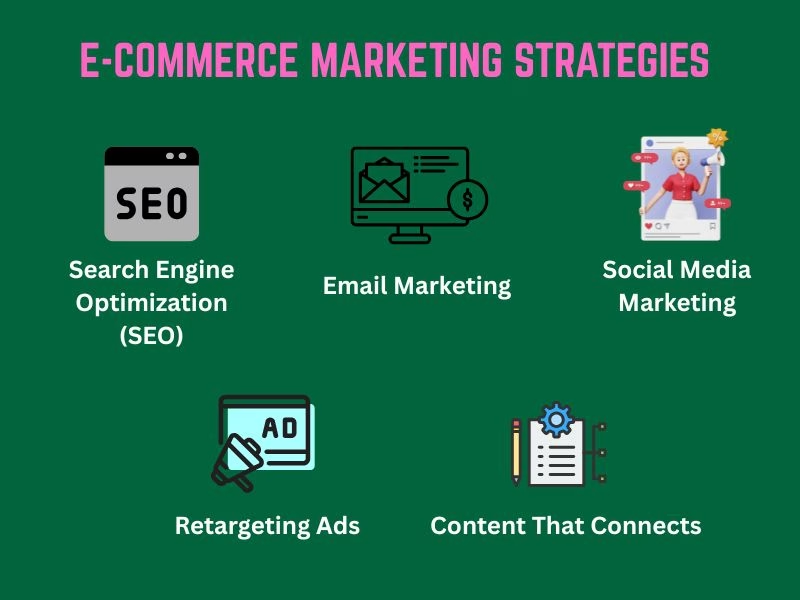
Search Engine Optimization (SEO)
Think of SEO as the art of being found. If someone Googles a product you sell and your store isn’t on the first page, you’re missing out. SEO helps your pages rank higher by starting with keyword research and then optimizing for the right keywords, fast loading speeds, mobile-friendly design, and helpful content.
It’s like having a billboard on the busiest highway, except you don’t pay for every view.
Email Marketing
Still one of the most powerful tools, email marketing is like sending friendly nudges to your customers. Whether it’s a welcome series, cart abandonment reminder, or a holiday offer, emails drive engagement.
The key? Make it personal. Use names, recommend products, and talk like a human, not a robot.
Social Media Marketing
Instagram, TikTok, and Facebook are today’s digital shopping malls. People scroll to discover, not just connect. That’s why social media marketing strategies like sharing product videos, user-generated content, or behind-the-scenes clips builds brand trust and excitement.
The goal isn’t to sell immediately, it’s to create a vibe that people want to be part of.
Retargeting Ads
Ever looked at a product online, then saw it follow you everywhere? That’s retargeting, and it works. These ads remind people of what they left behind, giving them that little nudge to come back and finish the purchase.
It feels a bit psychic, but really, it’s just clever marketing.
Content That Connects
Creating content like blog posts, videos, or helpful guides positions your brand as more than just a shop. You become a resource. This builds trust and increases the chance of customers returning again and again.
It’s not just what you sell, it’s what you say.
No need to master every strategy overnight. Start small, experiment, and focus on what feels right for your audience. In the world of e-commerce, momentum builds with consistency, not perfection.
Digital Marketing Strategies for E-commerce
So, you’ve got an online store and a plan. Now you need people to actually find you. This is where digital marketing strategies for e-commerce come into play. It’s all about using the internet to get the right eyes on your products and turning clicks into customers.
Search Engine Marketing (SEM)
At the core of any smart e-commerce marketing strategy is visibility. SEM helps your store show up when someone Googles a product you sell. This includes both paid ads (like Google Ads) and organic SEO efforts. The goal? Make sure your product is the first thing they see, not your competitor’s.
Social Media Advertising
Social media platforms like Instagram, Facebook, and TikTok are where your customers hang out and shop. An effective e-commerce marketing strategy leverages targeted ads to reach people based on their interests, age, and even recent behavior. The more relevant your ad, the more likely they’ll click.
Email Marketing Automation
Automation makes your e-commerce marketing strategy work harder without extra effort. Welcome emails, cart recovery reminders, and product recommendations can all be sent automatically. It’s about sending the right message at the right time to nudge people toward buying.
Content Marketing
Good content marketing builds trust and positions your brand as helpful, not just salesy. Blogs, videos, and tutorials can guide shoppers, answer questions, and entertain. A well-rounded e-commerce marketing strategy uses content to connect with customers and boost SEO at the same time.
Influencer Marketing
Adding influencers to your e-commerce marketing strategy is like getting a celebrity endorsement, but more personal. Their followers already trust them, so when they recommend your product, it feels genuine. That authenticity can quickly translate into sales.
Affiliate Marketing
This is a clever way to expand your reach without paying upfront. An affiliate promotes your product on their site or channel and earns a small commission when someone buys. It’s a scalable tactic that fits perfectly into a cost-effective e-commerce marketing strategy.
All these strategies work together to form a powerful digital presence. You don’t need to master them all at once, but knowing what’s out there gives you options to test and grow.
Marketing Mix in E-commerce
Now, let’s talk about the marketing mix in e-commerce, also known as the 7Ps. This is your blueprint for building a balanced, effective marketing plan that touches every part of your online business. Think of it as your e-commerce toolkit.
1. Product
This isn’t just what you sell, it’s how it’s presented. In an effective e-commerce marketing strategy, your product needs to look irresistible online. That means high-quality images, clear descriptions, and genuine customer reviews. Since buyers can’t touch or try before they buy, your job is to make them feel confident in what they’re purchasing.
2. Price
Pricing plays a huge role in any e-commerce marketing strategy. Are you aiming for premium or budget-friendly? Your prices should match your brand personality and what your customers are willing to pay, and that’s where customer research comes in. By understanding what your audience values, you can tailor pricing, offer smart discounts, bundles, or free shipping, often the final nudge a customer needs to hit “buy now.â€
3. Place
“Place” refers to your online storefront. In a smart e-commerce marketing strategy, your website must be fast, mobile-friendly, and easy to navigate. If customers struggle to find products or check out, you’re leaving money on the table. A smooth user experience leads to more sales and repeat buyers.
4. Promotion
Promotion is where your e-commerce marketing strategy really comes alive. From Instagram ads to email blasts, this is how you shout from the rooftops. Your promotional channels should match your audience’s habits and clearly communicate what makes your product worth buying quickly.
5. People
Great service is non-negotiable in any e-commerce marketing strategy. Your team, whether real or AI, needs to respond quickly and with a helpful attitude. Every interaction, from chat support to delivery, reflects your brand. Positive experiences build loyalty.
6. Process
Your customer’s journey should be smooth from start to finish. A strong e-commerce marketing strategy maps out every step from browsing to buying to delivery, making it simple and stress-free. If customers know what to expect, they’re more likely to come back.
7. Physical Evidence
Even in a digital world, tangible elements still matter. Packaging, receipts, emails, and social media voice all shape the buyer’s perception. These “physical” touches reinforce your e-commerce marketing strategy by leaving a memorable impression.
Mastering the marketing mix in e-commerce helps you create a full-circle experience from first click to final delivery that keeps people coming back.
Conclusion
Whew, what a journey! By now, you’ve seen how building a strong e-commerce marketing strategy isn’t just about flashy ads or trendy platforms. It’s about understanding your customers, showing up where they are, and giving them reasons to trust and buy from you.
From nailing your product pages to running smart email campaigns, every piece of your strategy matters. The digital space moves fast, but when you have a clear ecommerce marketing plan, you stay one step ahead, whether you’re just starting or scaling up.
And hey, don’t stress about doing it all at once. Start small. Test things. Track what works. The beauty of e-commerce is that it’s flexible and full of chances to improve.
So, whether you’re selling handmade candles or the next big gadget, the tools and tactics are at your fingertips. All you need is the drive and now, a solid strategy to back it up.
Ready to turn clicks into customers? You’ve got this.
FAQs
1. What is an e-commerce marketing strategy?
It’s a plan to attract, convert, and retain online customers using digital channels.
2. Why do e-commerce businesses need a marketing strategy?
It boosts visibility, drives sales, and builds long-term customer loyalty.
3. What are the key elements of an e-commerce marketing strategy?
SEO, social media, email marketing, paid ads, and customer engagement.
4. How can small e-commerce businesses compete with big brands?
By focusing on niche targeting, personalization, and customer experience.
5. Can analytics improve an e-commerce marketing strategy?
Yes, tracking data helps optimize campaigns and increase ROI.







Leave a Comment