


Thought leadership content is all about sharing your ideas, experiences, and insights to show you know your stuff and not in a braggy way. It’s the kind of content that makes people stop, think, and say, “Hey, this person really gets it.†Think of it as having a conversation with your audience where you guide, inspire, and offer fresh perspectives.
Why does thought leadership content matter? Well, in today’s crowded online world, anyone can post tips or opinions, but not everyone can teach, inspire, or lead a conversation. Leadership content helps you stand out, builds trust, and positions you as someone worth listening to.
Unlike regular content that might just inform or entertain, leadership content carries weight. It’s backed by experience, research, or a unique viewpoint that your audience can’t get anywhere else. In short, it’s content that people remember and come back to.
Next, we’ll dive into the purpose of leadership content and why creating it can make a real difference for your brand or personal authority.
Purpose of Thought Leadership Content
The main goal of thought leadership content is simple: to build trust and credibility. When you consistently share helpful insights, your audience starts seeing you as a go-to expert. It’s like being the friend everyone calls when they need advice; they trust you because you’ve shown you know your stuff.
Thought leadership content also educates and guides your audience. Instead of just giving them information, it helps them solve problems, make decisions, or see things in a new way. For example, a marketing professional sharing real-world tips on growing an audience is doing more than teaching; they’re shaping how others succeed.
Another key purpose is influence. Thought leadership content doesn’t just inform, it inspires. By sharing forward-thinking ideas, trends, or innovative approaches, you can spark conversations in your industry and even set the standard for others to follow.
In short, the purpose of thought leadership content is to make a meaningful impact, not just fill a page. It builds authority, nurtures trust, and encourages your audience to take action, all while keeping them engaged and coming back for more.
Types of Leadership Content
Thought leadership content comes in many forms, each offering a unique way to share your expertise and ideas. Choosing the right type helps you connect with your audience and build trust effectively.
Blog Posts and Articles
Blog posts and articles are a classic way to share leadership content. They let you provide tips, insights, or personal stories in a way that’s easy to read and digest. A well-written article can position you as a trusted voice in your field.
Whitepapers and Research Reports
Whitepapers and research reports show deep expertise. By presenting data-driven insights or industry analysis, you make your leadership content feel authoritative and credible. This type of content builds trust with a more professional audience.
Case Studies and Success Stories
Case studies and success stories are powerful because they show real-life examples of challenges and solutions. People love learning from experiences; they make leadership content relatable, practical, and memorable.
Webinars, Podcasts, and Interviews
These formats create a personal connection with your target audience. Whether it’s your voice, energy, or storytelling, webinars, podcasts, and interviews help you engage people more deeply and leave a lasting impression.
Social Media Insights and Commentary
Sharing quick insights, trends, or industry commentary on social media keeps your thought leadership content visible and relevant. It’s a great way to show you’re tuned into the latest conversations.
Speaking Engagements and Presentations
Speaking opportunities, whether online or in person, let you lead discussions in real time. Presenting your ideas directly to an audience enhances your authority and inspires people instantly.
Now that we know the types, let’s explore the characteristics that make leadership content truly effective.
Characteristics of Effective Thought Leadership Content
Leadership content works best when it’s clear, engaging, and valuable to your audience. To make your content stand out, focus on these key characteristics:
- Unique Perspective: Share your own ideas and experiences rather than repeating what everyone else is saying.
- Insightful and Valuable: Offer advice, solutions, or tips that your audience can actually use.
- Actionable Tips: Give readers practical steps they can implement immediately.
- Authenticity: Be genuine in your voice; people trust real experiences over polished fluff.
- Consistency: Regularly share content so your audience knows they can rely on your insights.
By combining these traits, thought leadership content becomes memorable, trustworthy, and influential. Next, we’ll discuss how to create leadership content that truly connects with your audience.
How to Create Thought Leadership Content?
Leadership content is most effective when it connects with your audience and shows your expertise in a clear, relatable way. Here’s how to create content that stands out and makes an impact:
Know Your Niche and Audience
Start by understanding your area of expertise and what your audience cares about. When your content addresses real problems and interests, it becomes valuable and relevant.
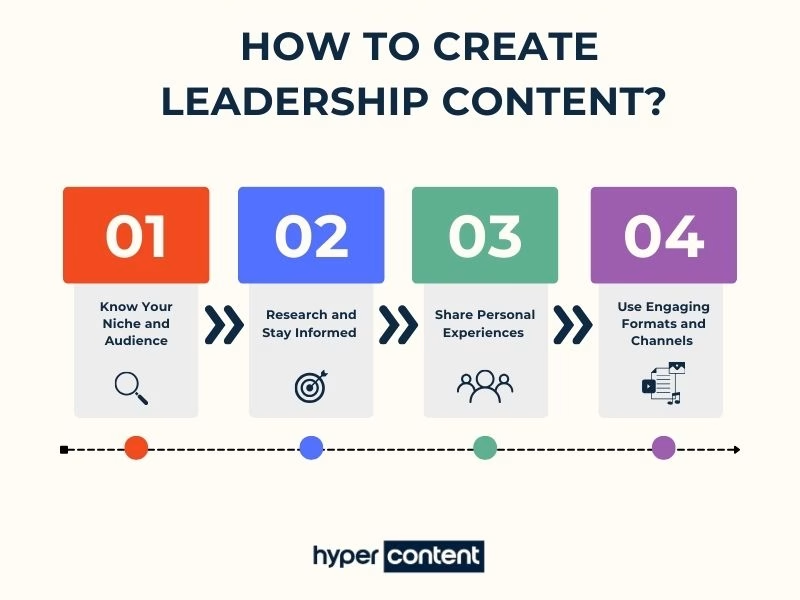
Research and Stay Informed
Look at industry trends, gather data, and explore stories that resonate. Being informed ensures your leadership content is credible, accurate, and trustworthy.
Include anecdotes, successes, and lessons learned. Real-life examples make your content relatable and help your audience connect with your message.
Use Engaging Formats and Channels
Mix blogs, social media, podcasts, videos, and webinars to keep your content fresh and reach more people. Different formats allow you to connect in multiple ways and strengthen your influence.
With these steps, you can create leadership content that not only informs but also inspires your audience. Next, we’ll explore how to measure the success of your leadership content.
Challenges and Best Practices
Thought leadership content can be powerful, but it comes with some challenges. Keeping these best practices in mind will help you succeed:
- Avoid Self-Promotion: Focus on providing value, not just selling yourself or your services.
- Maintain Credibility and Accuracy: Always fact-check and provide reliable information to build trust.
- Stay Consistent: Publish content regularly to keep your audience engaged and maintain authority.
- Make Content Simple and Fun: Use stories, examples, and a friendly tone to make your content enjoyable and easy to understand.
Following these guidelines ensures your leadership content educates, inspires, and strengthens your reputation.
Conclusion
Thought leadership content is more than just sharing ideas; it’s about inspiring, educating, and building trust with your audience. When done right, it positions you as an authority and keeps people coming back for insights.
By understanding its purpose, choosing the right types, creating valuable content, and measuring results, you can make a real impact in your industry. Remember to stay authentic, consistent, and audience-focused to truly stand out.
The world of thought leadership content is always evolving, so keep learning, experimenting, and sharing your unique perspective. Your voice matters, and the right content can influence, guide, and inspire countless people.
FAQs
1. What does thought leadership content mean?
It’s content that showcases expertise and positions a brand as an industry authority.
2. Why should businesses invest in thought leadership content?
It builds credibility, trust, and stronger connections with the target audience.
3. What formats work best for thought leadership content?
Blogs, whitepapers, podcasts, videos, and research reports are effective.
4. How do you create successful thought leadership content?
By sharing unique insights, data-driven ideas, and actionable strategies.
5. Can thought leadership content help with SEO?
Yes, high-quality expert content improves search visibility and organic reach.









Leave a Comment