


Some brands always manage to stay in the spotlight, and it’s not by accident; it’s the result of smart communication. Businesses don’t just sell products; they tell stories. At the center of those stories is PR content writing.
PR works as a brand’s public voice. It’s the way companies share news, express values, and connect with people beyond simple promotions. Without it, even the most innovative products could easily fade into the background.
From official announcements to news-style updates, PR content shapes how a brand is seen. Done well, it builds trust, captures media attention, and keeps audiences engaged.
The next step is to explore exactly what is PR writing, why it matters, and how press releases fit into the bigger picture.
What is PR Writing?
PR content writing is the art of creating clear, engaging, and newsworthy content that represents a brand or organization. It’s not just about sounding professional; it’s about making complex information simple and relatable. Think of it as translating company updates into stories that people actually want to read.
Unlike ads, which push products directly, PR content writing focuses on building trust and credibility. It answers questions like: What does the company stand for? What positive impact is it making? Why should the public care? This is where pr content comes in; it helps a brand stay relevant while strengthening its reputation.
Whether it’s a press release, a feature article, or a blog, the goal remains the same: connect with the audience in a way that feels authentic. That’s why good PR content writing doesn’t just inform; it also creates a sense of connection.
PR Content Writing Types and Their Uses
PR content writing isn’t one-size-fits-all. Different formats serve different purposes, and each plays a role in shaping how the public sees a brand. Here are the main types:
Press Release Article
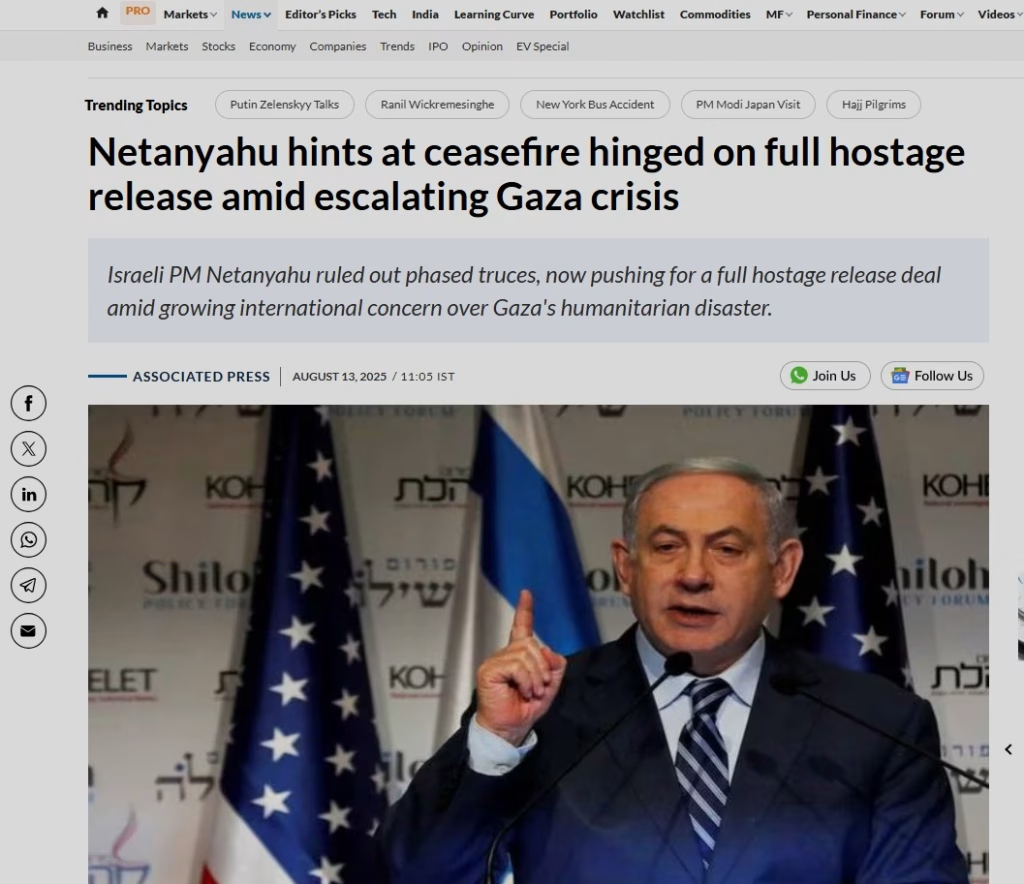
A press release article is the most common form. It’s written in a news-style format that shares company updates, achievements, or events. Journalists often use these as ready-made stories, which makes them a powerful tool for gaining media coverage.
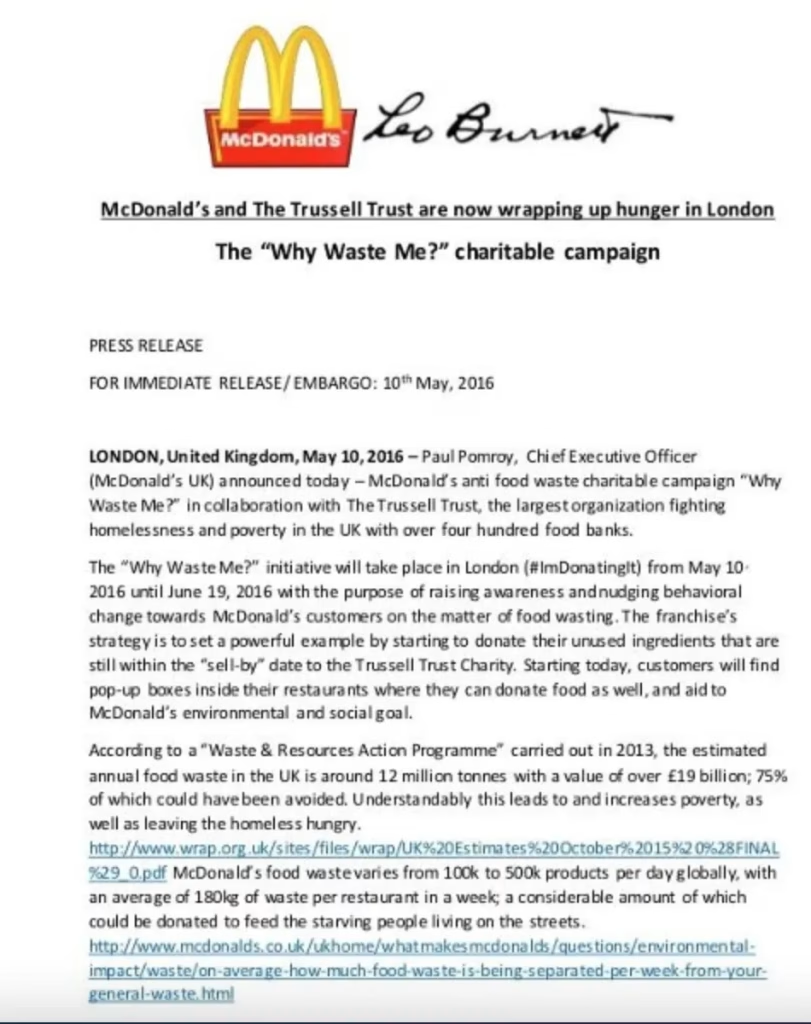
Company Announcements
These cover internal changes, partnerships, or milestones. Unlike casual updates, announcements are structured and professional, ensuring the right message reaches stakeholders and the public.
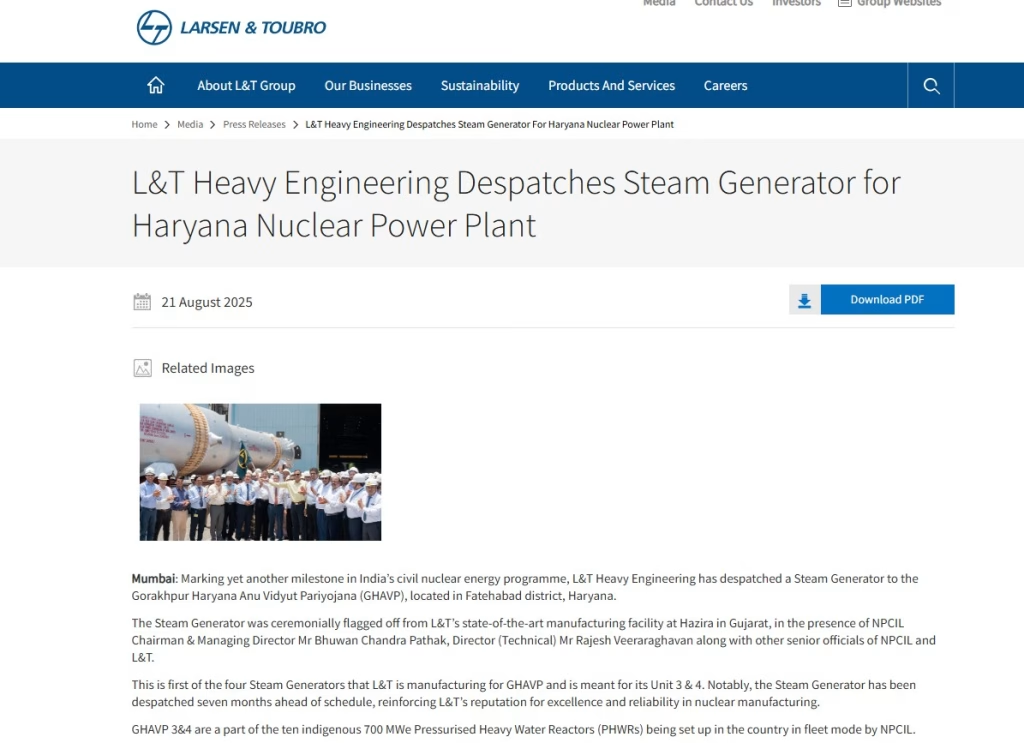
Storytelling Content
Blogs, feature articles, or case studies fall into this category. They highlight real experiences, customer success stories, or community involvement. Storytelling makes a brand feel more human and relatable.
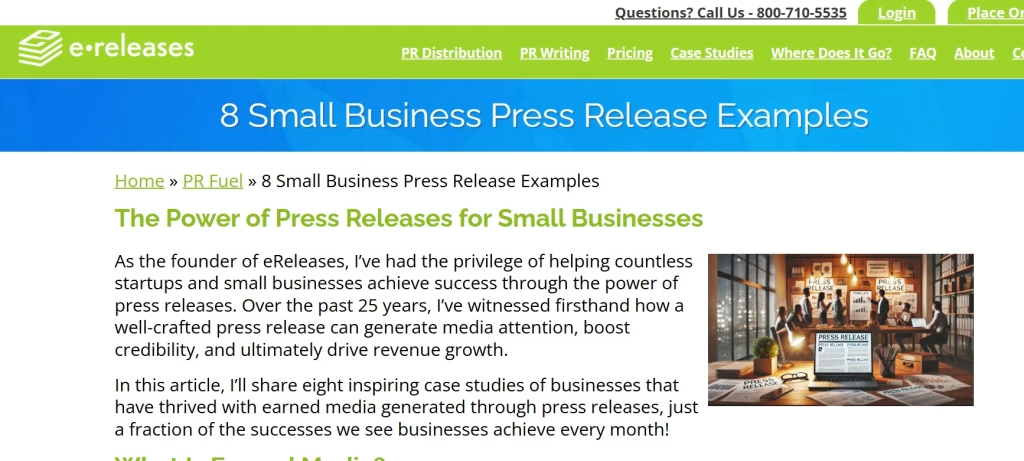
Press Release Content for Events and Launches
When a new product hits the market or an event is planned, press release content is key. It builds excitement, sets expectations, and ensures the media and public get accurate details.
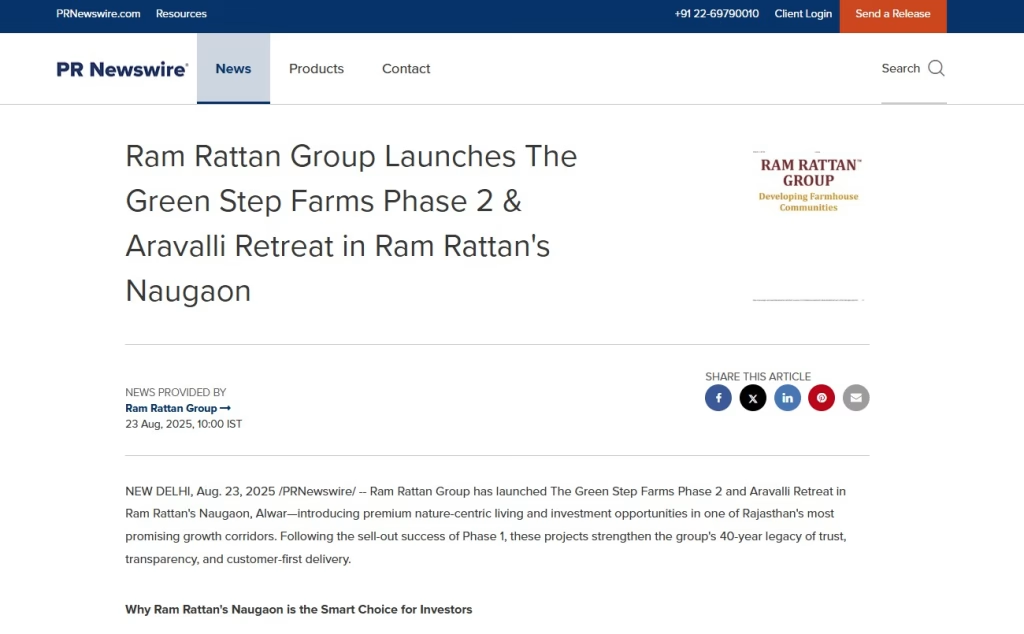
Crisis Communication
Sometimes, things don’t go as planned. Crisis-focused PR content helps control the narrative by addressing issues openly and reassuring the public with clear, timely updates.
Together, these different forms of content keep branding visible, trustworthy, and connected with its audience.
Why Press Release is Important?
A press release may look simple, but it carries a lot of weight. It’s more than a news update; it’s a tool that builds trust, grabs media attention, and boosts a brand’s visibility. This is exactly why a press release is important in shaping public perception and keeping companies relevant.
- Builds credibility by presenting official, trustworthy information.
- Earns free publicity since one release can be picked up by multiple outlets.
- Strengthens media relationships by providing journalists with timely updates.
- Improves online visibility and boosts search engine presence.
- Keeps the brand in the spotlight and maintains public interest.
Strong press release content isn’t just about sharing news; it’s about creating lasting impact.
How to Do PR Writing?
Start with Research
Before you begin PR content writing, study your audience, competitors, and media outlets to understand what kind of press release content works best.
Clarify the Core Message
Decide what is PR writing going to achieve in your case: brand awareness, reputation management, or product launch.
Craft a Newsworthy Hook
In press release article writing, focus on timeliness, relevance, and impact. Ask yourself: “Why press release important for readers and journalists?â€
Follow the Press Release Writing Format
Structure your content properly: headline, lead, supporting details, quotes, boilerplate, and contact information. This ensures your press release writing example matches professional standards.
Write with Simplicity and Impact
Keep sentences short, make the headline powerful, and highlight benefits. Great press release content writing communicates clearly without sounding like an ad.
Add Supporting Elements
Use quotes, data, or statistics to strengthen your press release content. This makes it more credible for media pickup.
Tailor for Different Media Outlets
Customize your PR content slightly depending on the publication, journalist, or audience focus.
Check Against a Press Release Writing Example
Compare your draft to a trusted press release article or template to make sure it flows logically.
Polish and Proofread
Eliminate jargon, spelling errors, or repetition. High-quality press release content writing increases trust and readability.
Distribute and Monitor
Share across PR platforms, company channels, and media lists. Track results to see how well your press release content performs.
Press Release Writing Format
A strong release follows a standard structure that makes it easy for journalists to use. The press release writing format keeps everything organized so the story flows smoothly and the important points don’t get lost.
Here’s the typical layout:
- Headline – short, attention-grabbing, and news-style.
- Subheadline – optional, but useful for adding context.
- Dateline – includes the location and date of the announcement.
- Lead paragraph – answers the who, what, when, where, why, and how.
- Body – adds details, quotes, statistics, or background information.
- Boilerplate – a short “about the company†section at the end.
- Media contact – name, phone, and email for follow-up questions.
This format makes press release content writing effective because it’s predictable and professional. Reporters know exactly where to find the information they need, which increases the chances of coverage.
Press Release Writing Example
Seeing a press release writing example makes it easier to understand how all the pieces come together. Imagine a company launching a new eco-friendly product. The release might start with a headline like “GreenTech Americas 2025: The future of sustainable horticulture.â€
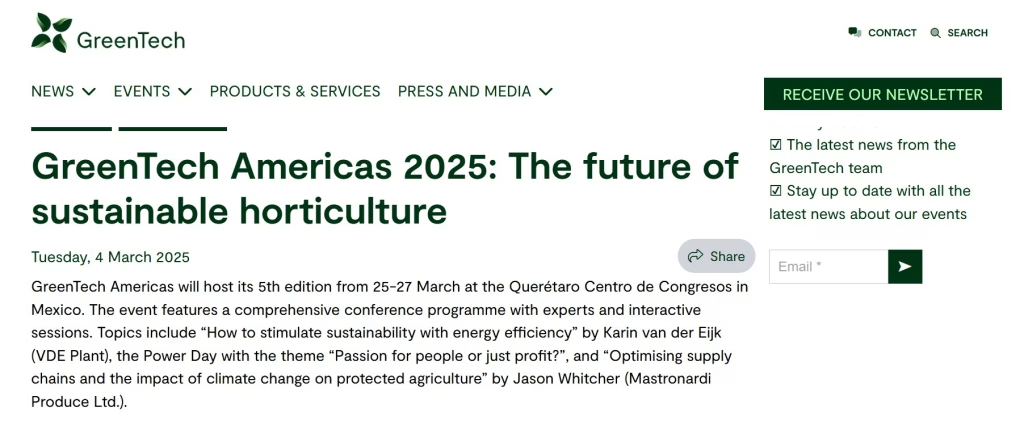
The opening lines would answer the basics of who launched it, what the product is, when and where it’s available, and why it matters. The body could include a quote from the CEO about the company’s commitment to sustainability, along with some quick facts about how the product works.
At the end, the press release article would include a boilerplate, a short section that explains what GreenTech does, and a media contact for journalists. It’s clean, factual, and written in a way that feels newsworthy. That’s the essence of what is press release writing: keeping it simple, structured, and impactful.
Conclusion
Strong communication is the secret behind every successful brand story. Through PR content writing, businesses share their voice, build credibility, and connect with people in ways that advertising alone can’t achieve.
Understanding what PR content writing is and how different forms of pr content work makes it clear why press releases remain such a powerful tool. From structured formats to engaging storytelling, they allow companies to stay visible, trustworthy, and relevant.
Whether it’s a simple update, a detailed press release article, or a carefully crafted announcement, the goal is always the same: to inform and inspire. By following the right press release writing format and learning from every press release writing example, any brand can communicate with impact.
In the end, press release content writing isn’t just about sharing news; it’s about shaping how the world sees a company. And that’s exactly why a press release is important for every organization that wants to leave a lasting impression.
FAQs
1. What is PR content writing?
It’s the creation of content aimed at building brand reputation, managing public perception, and communicating key messages.
2. What are the main types of PR content?
Press releases, media pitches, speeches, newsletters, and blog articles.
3. How does PR content differ from regular marketing content?
PR content focuses on credibility, storytelling, and relationship-building rather than direct sales.
4. Which formats are commonly used in PR content writing?
Written articles, press releases, social media posts, and multimedia content like videos or infographics.
5. Can PR content help improve brand trust?
Yes, well-crafted PR content strengthens credibility, media presence, and public engagement.








Leave a Comment