

When was the last time you played your favorite song on Spotify and thought, “Wow, this platform just gets meâ€? That feeling isn’t an accident; it’s the result of a smart, well-executed marketing game plan. Welcome to the Spotify case study, where we break down how this streaming giant went from a small Swedish startup to a global music kingpin.
Spotify isn’t just about playlists and podcasts; it’s a masterclass in modern marketing. From creative ad campaigns to personalized recommendations, its success boils down to a bold and clever mix of strategies that keep users hitting replay.
In this marketing strategy of Spotify deep dive, we’ll explore how they capture hearts (and earbuds) worldwide. Whether it’s tailoring playlists to your mood or creating viral marketing moments, Spotify knows how to stay ahead. This Spotify marketing strategy case study reveals how data, creativity, and culture collide to keep millions listening every day.
Ready to press play on the secrets behind Spotify’s rise? Let’s turn up the volume and dive in.
Business Strategy of Spotify
Spotify’s rise to dominance in the music streaming world is not just a result of offering a great product; it’s built on a sharp, scalable business model. At the heart of the marketing strategy of Spotify lies its freemium approach, intelligent partnerships, and relentless focus on user experience.
Freemium Model: The Gateway to Growth
Spotify’s marketing strategy hinges on its freemium model, offering free access with ads and premium features for a subscription fee. This marketing strategy of Spotify helps attract a massive user base and then upsells premium features like ad-free listening, offline playback, and higher audio quality.
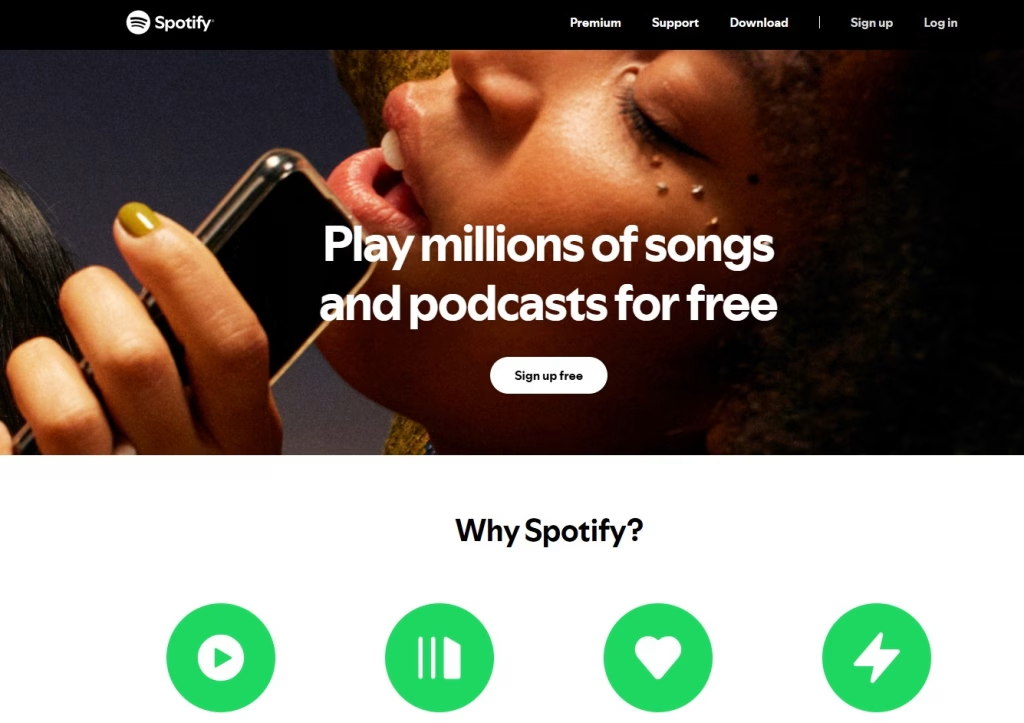
- Free Tier: Encourages adoption and growth, especially in emerging markets.
- Premium Tier: Provides steady revenue and enhances user retention.
Multiple Revenue Streams
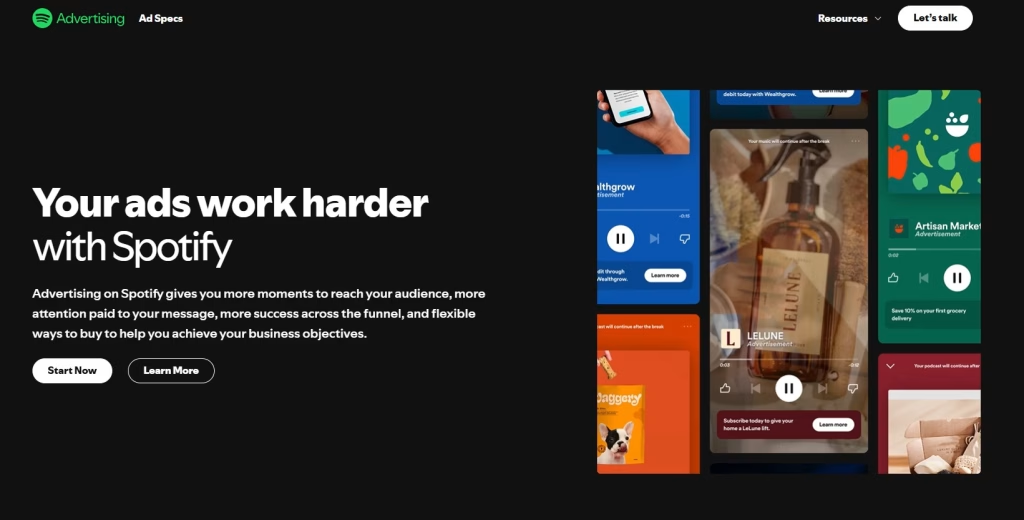
Spotify doesn’t rely solely on subscriptions. It has diversified income sources:
- Ad-supported revenue from the free version
- Premium subscriptions, including family and student plans
- Brand partnerships and sponsored playlists
This flexibility supports Spotify’s sustainability, even in highly competitive markets.
Platform Expansion & Tech Investment
Another pillar of the marketing strategy of Spotify is its heavy investment in technology and platform scalability:
- AI-powered recommendation engines (e.g., Discover Weekly, Daily Mix)
- Podcasts and exclusive content (e.g., Joe Rogan Experience)
- Acquisitions (like Anchor and Megaphone) to dominate the podcasting space
Customer Retention Through Personalization
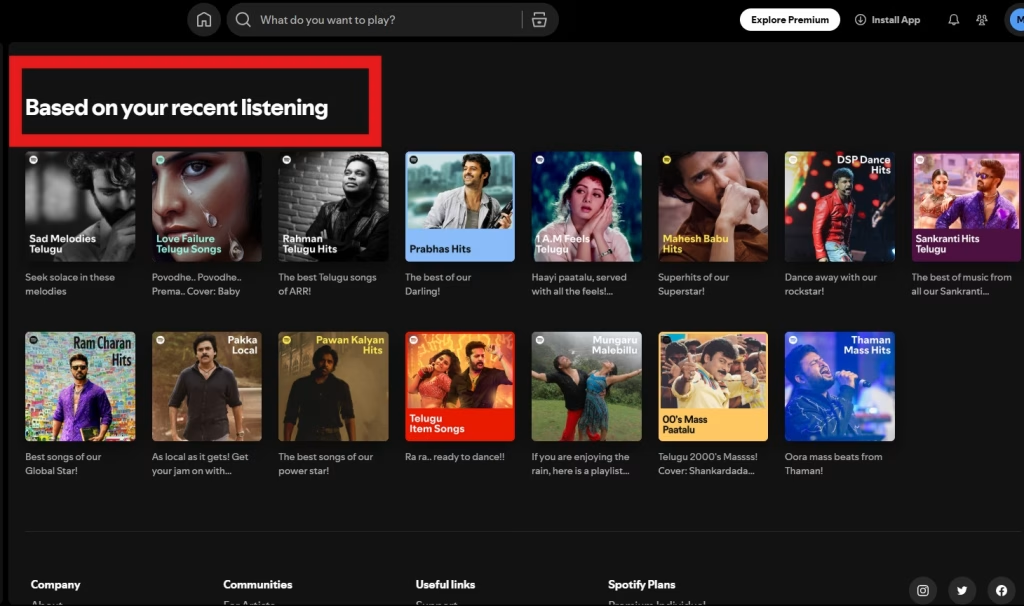
The marketing strategy of Spotify leverages behavioral data to craft highly personalized experiences. The more users listen, the smarter it gets turning casual listeners into loyal fans.
Marketing Mix of Spotify (4Ps)
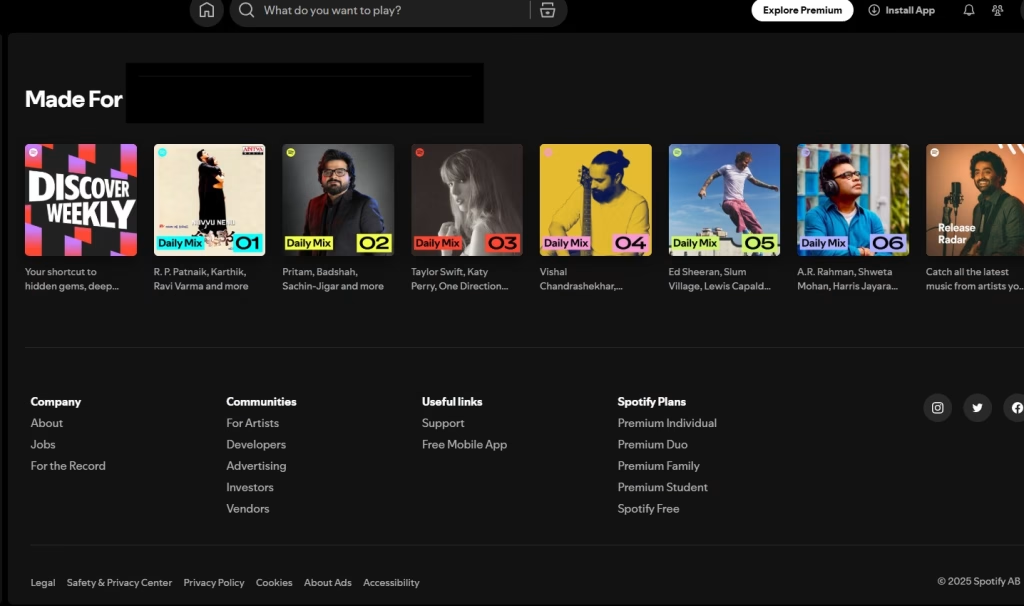
The marketing strategy of Spotify is reflected in its marketing mix, which skillfully combines Product, Price, Place, and Promotion to position the brand as a dominant force in the music streaming industry.
1. Product
At the heart of the marketing strategy of Spotify is its core product a streaming platform with over 100 million tracks and 5 million+ podcasts, allowing users to explore, discover, and personalize their listening experiences.
- Stream music on demand
- Create and share playlists
- Discover new artists with AI-curated recommendations
- Enjoy exclusive podcast content
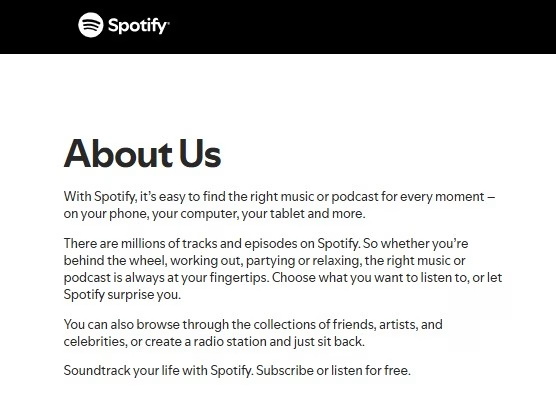
The marketing strategy of Spotify includes personalized features like Discover Weekly, Daily Mixes, and Spotify Wrapped, fostering emotional engagement and user loyalty that sets the platform apart in a crowded streaming market.
2. Price
Spotify uses a freemium pricing strategy, which includes:
- Free Tier: Ad-supported streaming with limited control
- Premium Tier: Ad-free, offline listening, better sound quality
- Family, Duo, and Student Plans: Affordable options for households and young users
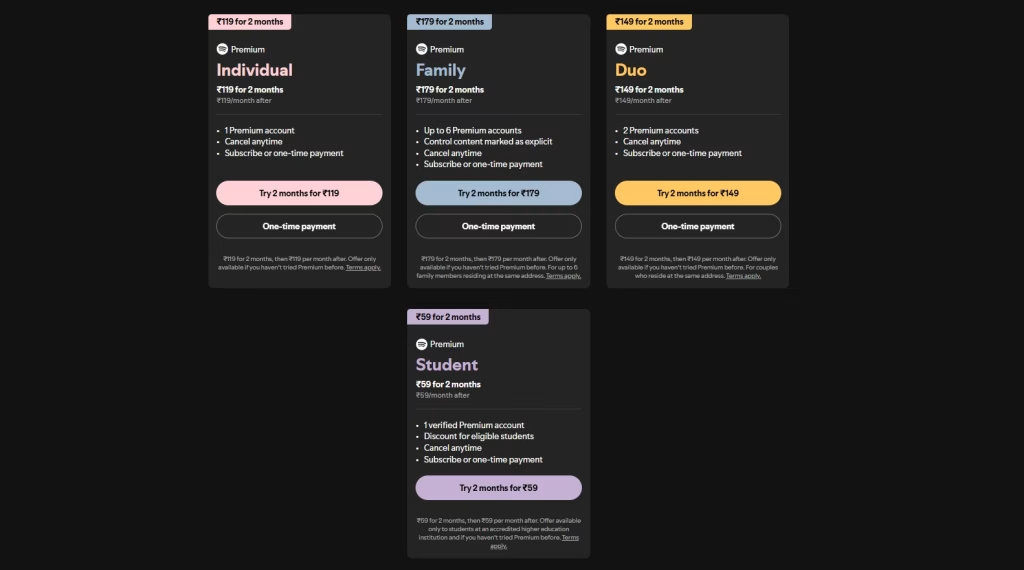
This tiered pricing model is a key part of the marketing strategy of Spotify, appealing to everyone from casual listeners to audiophiles and reinforcing its smart business-level approach.
3. Place
Spotify is available in over 180 countries and can be accessed on:
- Smartphones, tablets, and desktops
- Smart TVs, gaming consoles, and smart speakers
- Car systems and wearables
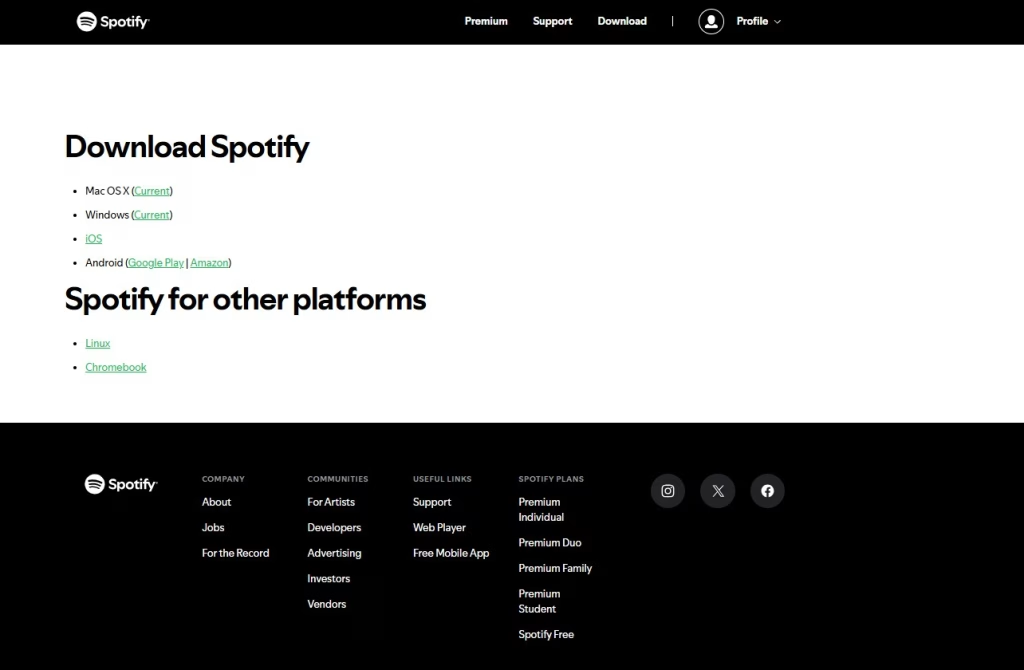
This omnipresence is supported by partnerships with companies like Google, Samsung, Tesla, and Uber, ensuring that Spotify is available wherever users are.
4. Promotion
The marketing strategy of Spotify is dynamic, creative, and highly personalized. It includes a mix of digital campaigns, influencer collaborations, and user-driven content.
- Social media marketing and influencer partnerships
- Out-of-home advertising (billboards, subway ads)
- Email campaigns with custom listening stats
- Viral campaigns like Spotify Wrapped
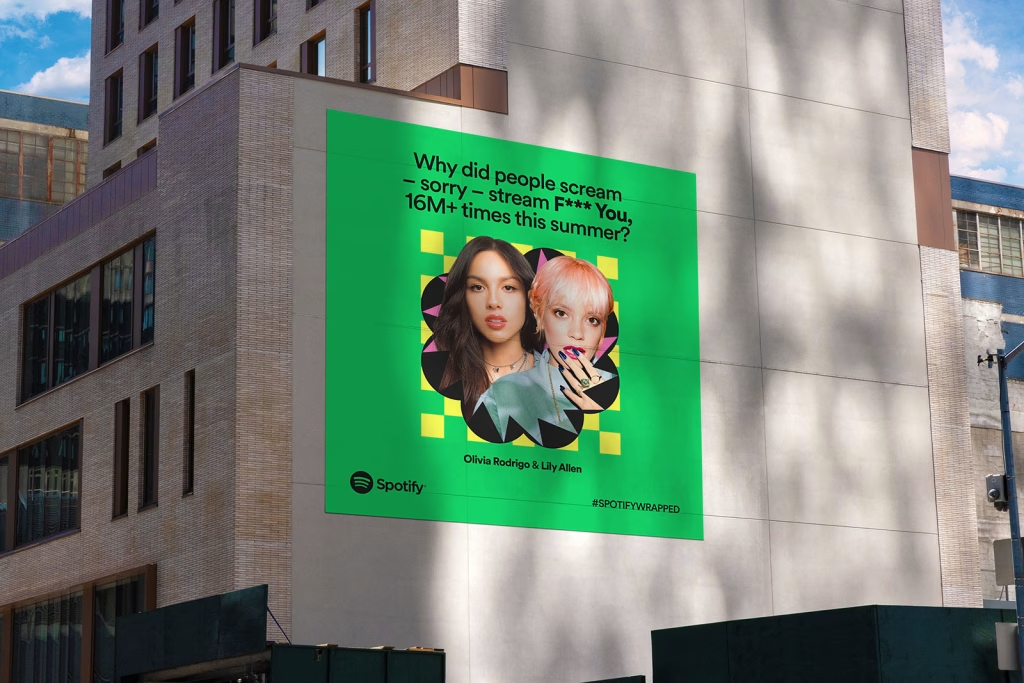
As part of the marketing strategy of Spotify, the brand uses data-driven marketing to craft tailored user experiences, making promotional content feel deeply personal and relevant.
By mastering all four Ps, the Spotify marketing mix achieves a powerful balance between innovation and user-centricity, crucial to its global appeal and long-term growth.
Digital and Social Media Strategy
Spotify’s digital and social media strategy is a masterclass in relevance, personalization, and engagement. More than just a place to stream music, Spotify has built a lifestyle brand that thrives across digital channels by connecting emotionally with users and making their experience shareable.
Personalized Content as Social Currency
A core strength of the marketing strategy of Spotify is its use of data to fuel digital storytelling. From Spotify Wrapped to “Only You,†content feels tailor-made for each user.
As a key element of the marketing strategy of Spotify, these personal insights are designed to be easily shareable, turning listeners into unpaid brand ambassadors. This approach taps into the natural human desire to share music, identity, and personal achievements, especially across platforms like Instagram, TikTok, and Twitter.
Platform-Specific Engagement
As part of the marketing strategy of Spotify, the brand leverages TikTok by collaborating with influencers, artists, and meme creators to spotlight playlists and new features. On Instagram and Twitter, Spotify stays relevant through short-form content, interactive polls, and user-generated content, creating an always-on, culturally connected presence.
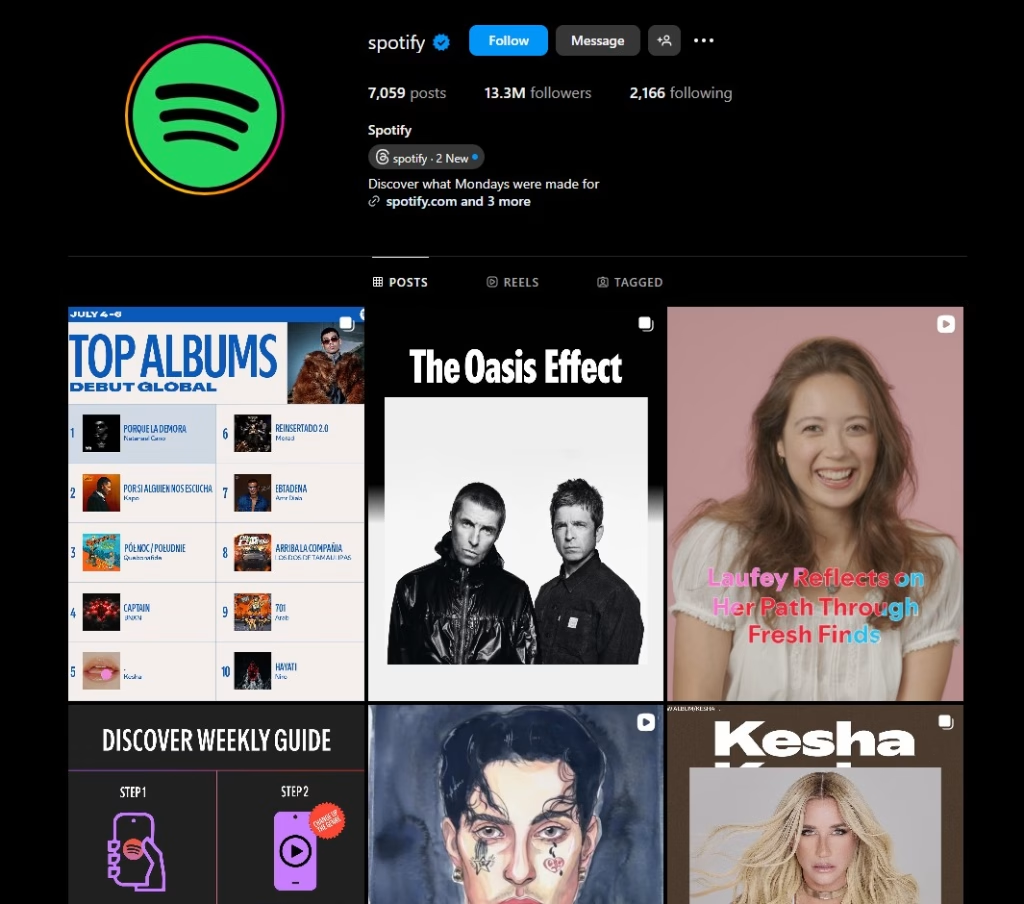
The brand doesn’t just broadcast, it responds, reposts, and interacts, often with humor or cultural wit, reinforcing its image as a platform that understands its audience.
Leveraging Pop Culture and Memes
As part of the marketing strategy of Spotify, the brand frequently taps into trending conversations, viral memes, and social movements, all with an authentic tone. Whether it’s promoting emerging artists or acknowledging major moments in politics or pop culture, Spotify leverages cultural relevance to stay in sync with the world its users live in.
In short, Spotify’s digital marketing is not about shouting louder; it’s about speaking directly, intelligently, and personally to each user across the platforms they love most.
Spotify Marketing Campaigns
Spotify has become synonymous with bold, creative, and culturally relevant marketing. What sets the marketing strategy of Spotify apart is its ability to tap into user behavior, emotions, and real-time trends while remaining deeply data-driven. Here’s a look at six of the most impactful Spotify marketing campaigns that have shaped the brand’s global voice and identity.
Thanks 2016, It’s Been Weird
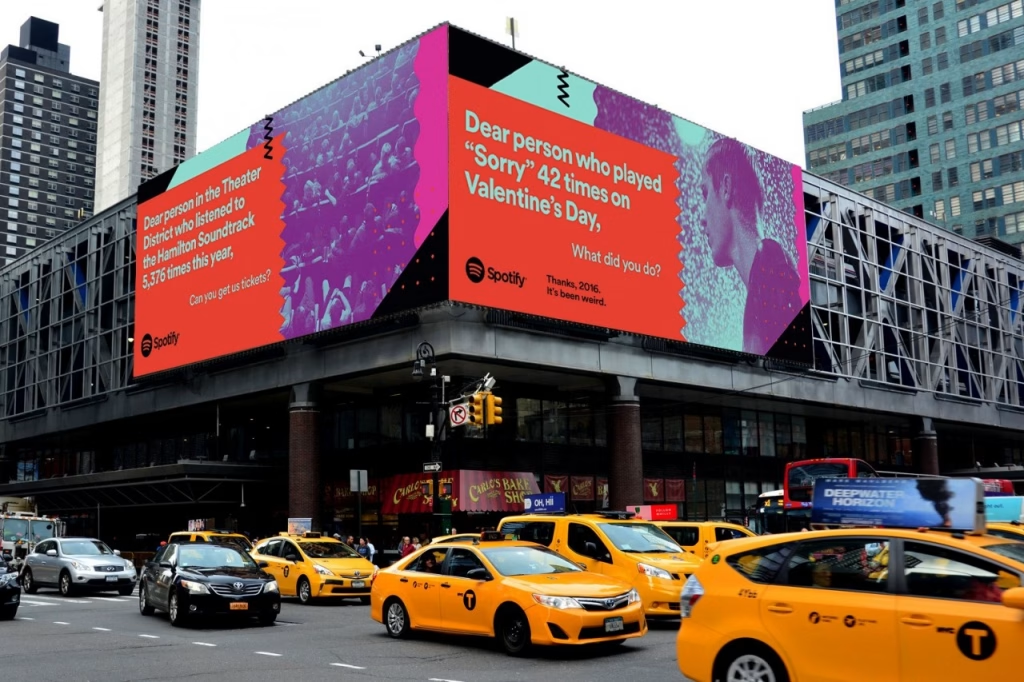
As part of the marketing strategy of Spotify, this campaign transformed user data into a humorous and reflective global billboard series. With lines like “Dear person who played ‘Sorry’ 42 times on Valentine’s Day, what did you do?â€, Spotify blended humor, personalization, and cultural commentary, humanizing the brand in a clever and memorable way.
Spotify Wrapped
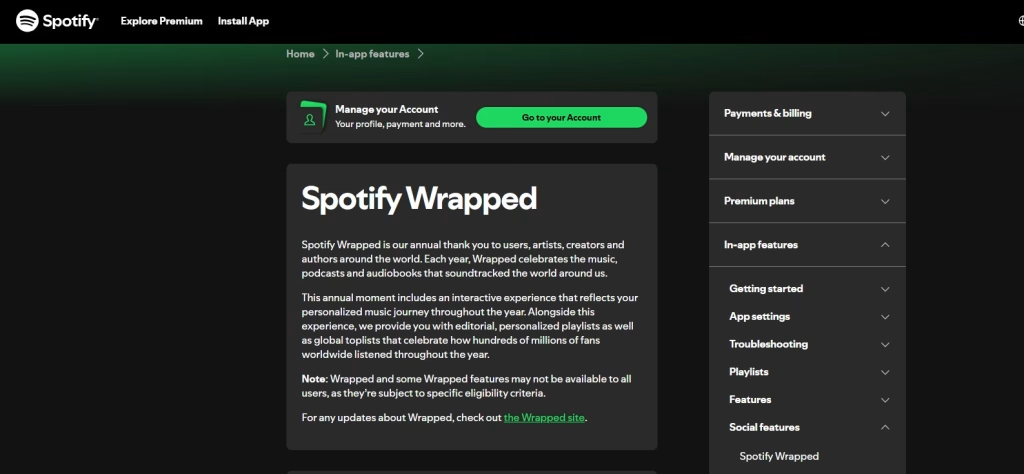
Perhaps the most famous element of the marketing strategy of Spotify, Spotify Wrapped, gives users a yearly recap of their listening habits. What began as a simple feature has evolved into a viral phenomenon. Each December, users eagerly share their top songs, artists, and genres on social media, delivering massive, free word-of-mouth promotion for Spotify.
Only You
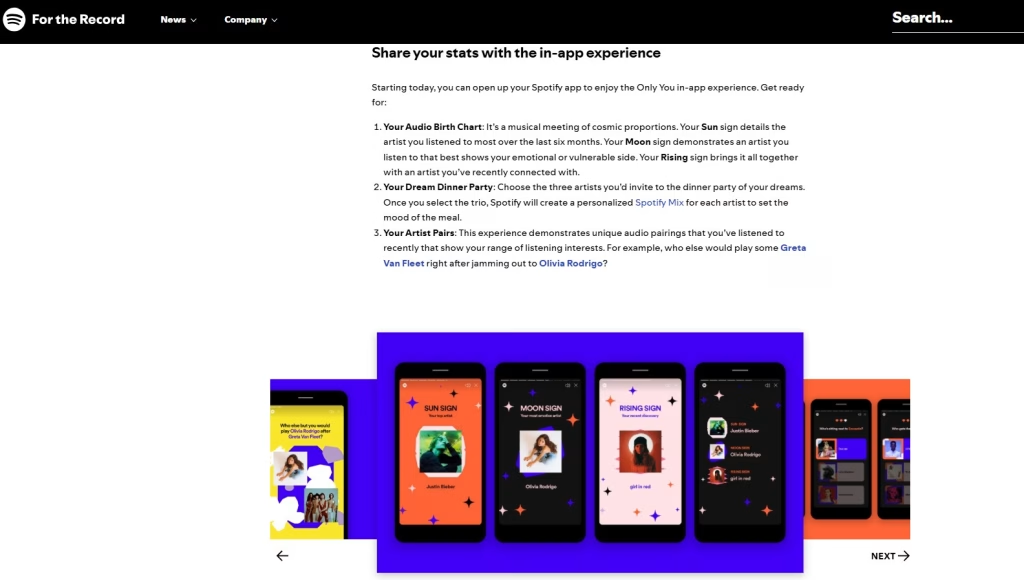
As part of the marketing strategy of Spotify, the 2021 “Only You” campaign celebrated each listener’s unique taste through hyper-personalized features like “Your Audio Birth Chart,†offering astrology-style comparisons. It was fun, creative, and highly shareable, deepening Spotify’s emotional connection with Gen Z.
All Ears on You
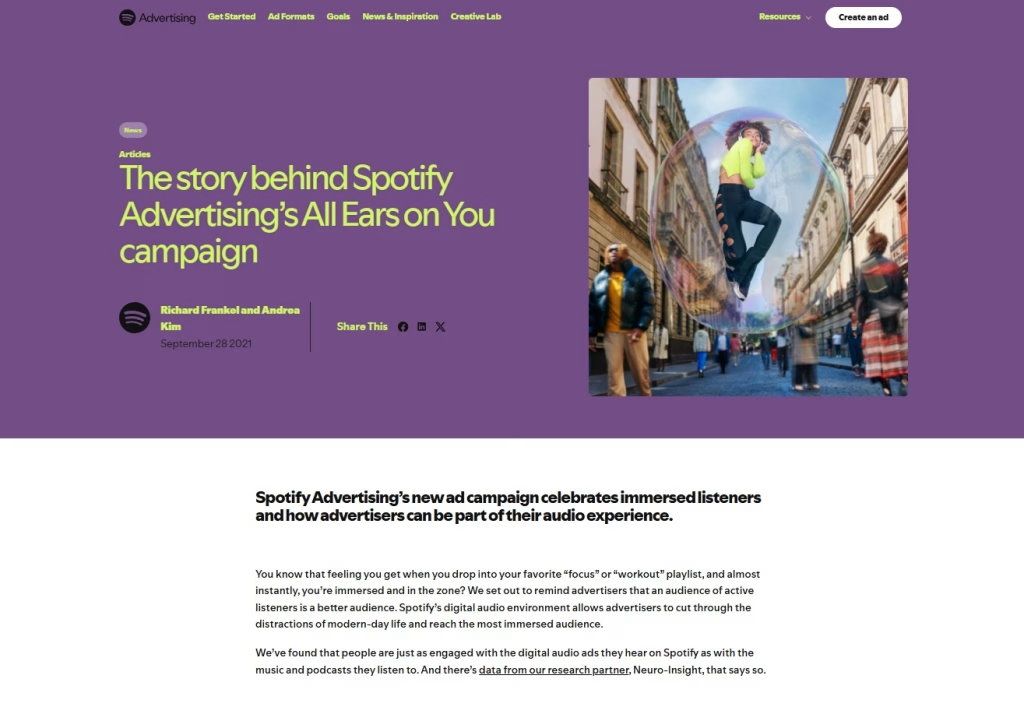
As part of the marketing strategy of Spotify, this immersive audio-visual campaign featured animations that responded to users’ playlists, emphasizing that Spotify tunes into you, not the other way around. It positioned the brand as both emotionally aware and technologically advanced.
A Song for Every CMO
Targeting B2B clients, the marketing strategy of Spotify included creating custom playlists for top marketing executives, with songs that cheekily reflected their company’s persona or performance. This campaign stood out for being bold, personalized, and highly effective in driving ad sales.
#2020Wrapped Billboards
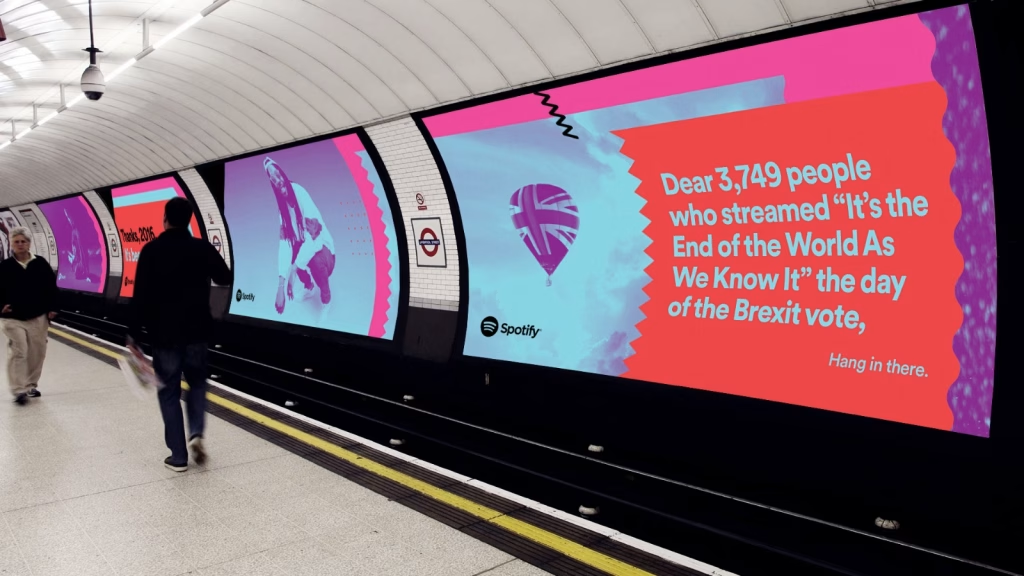
In a difficult year, the marketing strategy of Spotify leaned into collective experiences. Billboards highlighted oddly comforting behaviors, like “Dear 3749 People who streamed ‘It’s the End of the World As We Know It’ the day of the Brexit vote.†It was relatable, viral, and emotionally resonant.
Each Spotify marketing campaign reflects a brand that listens as much as it speaks, blending data with empathy to create memorable, effective storytelling.
Conclusion
Spotify’s rise to the top of the streaming industry isn’t just a story of technology; it’s a masterclass in the marketing strategy of Spotify, which expertly combines data, emotion, and innovation. By blending personalized user experiences with bold, culture-driven campaigns and a versatile marketing mix, Spotify has transformed casual listeners into loyal fans and brand advocates.
Through its forward-thinking business approach, the company makes music more accessible while building deep emotional connections with its audience. Campaigns like Spotify Wrapped and Thanks 2016, It’s Been Weird highlight how the marketing strategy of Spotify aligns perfectly with culture, humor, and timing. At the same time, its agile digital and social media tactics ensure the brand remains relevant in a fast-moving, global marketplace.
As seen in this Spotify marketing strategy case study, the key takeaway is simple: great marketing doesn’t just sell a product, it creates a relationship. Spotify’s ability to do this at scale is what truly sets it apart. For marketers, brands, and creatives, Spotify offers a playbook worth studying and emulating.
FAQs
1. What is the core marketing strategy of Spotify?
It focuses on personalization, data-driven campaigns, and user engagement.
2. How does Spotify use personalization in marketing?
Through playlists like “Discover Weekly†and “Wrapped,†tailored to each user.
3. What campaigns made Spotify’s marketing stand out?
“Spotify Wrapped†and quirky data-driven ads have gone viral worldwide.
4. How does Spotify build brand loyalty among listeners?
By offering unique experiences, interactive features, and strong community engagement.
5. What can businesses learn from Spotify’s marketing strategy?
The power of personalization, storytelling, and audience-focused campaigns.




Leave a Comment